International Health Tourism Authorization Certificate
AK-1584 · 02.02.2026


Dental treatments
Dental implants: general information on suitability, options, stages, risks and questions to discuss with a clinician.
Get in touch ↗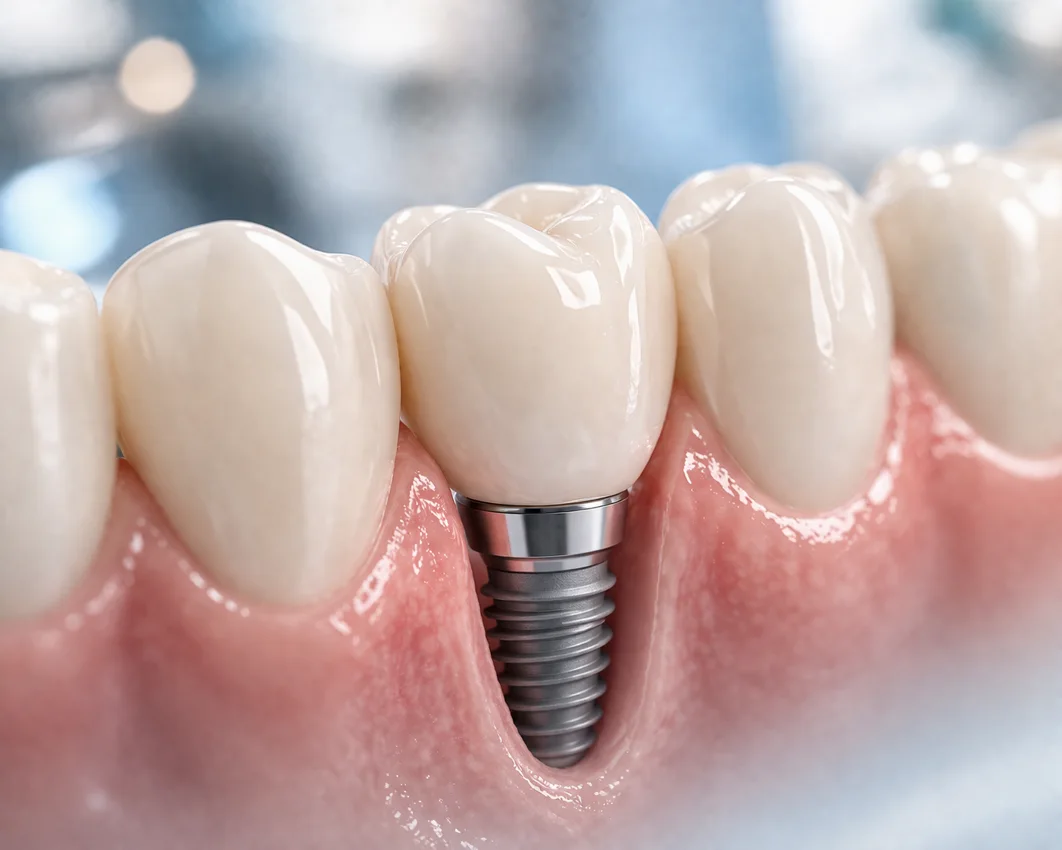
About this treatment
A complete dental implant process under a doctor’s supervision: from diagnosis to placement of the finished tooth.
The final cost is determined by the clinician’s assessment of the 3D examination. We then prepare your individual treatment plan.
A comfortable procedure under anaesthesia using quality implants. Procedure, healing, stay and follow-up times vary by person and treatment plan. Under normal conditions: ⏱ 20–40 minutes per implant.
An individual schedule is prepared after the clinician’s assessment; additional visits or changes to the plan may be needed. Generally, the 2–6 month healing period includes clinical follow-up and regular guidance.
The crown is placed, completing an aesthetic, functional tooth.
Medtori coordinates communication and the referral of your request to the relevant clinician. The clinician provides the preliminary assessment; the final treatment plan follows an examination and any necessary tests.
Airport reception, transfers to the hotel and clinic, and coordination of treatment steps are described in the individual service plan. Medtori provides 24/7 communication and interpreting support.
The treating clinician monitors healing and clinical follow-up. Medtori coordinates communication and interpreting support throughout this process.
A dental implant is a modern way to replace a missing tooth: an artificial root is placed in the bone and a new tooth is fixed on top.
It can be used when one, several or all teeth are missing, restoring chewing function and the natural appearance of the smile.
👉 Implant treatment helps preserve bone volume and avoids preparing neighbouring healthy teeth.
An implant is a small structure placed in the jawbone to support the future tooth.
• Implant: placed in the bone, it acts as a root.
• Abutment: connects the implant and crown.
• Crown: the visible part of the tooth.
• CT assessment and an individual treatment plan.
• Implant placement according to the surgical protocol.
• Osseointegration period (usually 2–6 months). Procedure, healing, stay and follow-up times vary by person and treatment plan; additional visits or plan changes may be needed.
• Fixation of the permanent crown or restoration.
In certain clinical situations, accelerated implant treatment with temporary loading may be possible.
Send a description of your situation or your CT images so we can provide information about treatment options, timing and cost. The individual written quotation should clearly state inclusions, additional expenses, payment and cancellation terms.
An implant restoration consists of three elements:
• Implant: placed in the bone, it acts as a root.
• Abutment: connects the implant and crown.
• Crown: the visible part of the tooth.
👉 Precision in every component directly affects comfort, appearance and the lifespan of the restoration.
• The implant integrates with the bone (osseointegration).
• The abutment is secured according to the gum profile.
• A crown that restores shape and chewing is placed.
The result is a stable, functional tooth with a natural appearance.
Before treatment, a CT assessment is performed to select the right restoration type, number of implants and prosthetic protocol.
Yes, there are differences.
However, the brand is only one part of the outcome.
👉 The main factors in success are correct diagnosis, the doctor’s experience and an appropriate treatment plan.
• Implant surface: affects the speed of osseointegration.
• Design and thread structure: affect primary stability.
• Connection precision: reduces micromovement and the risk of complications.
Procedure, healing, stay and follow-up times vary by person and treatment plan. Standard: 3–6 months.
• Under suitable conditions, modern systems may allow a shorter period.
• Early loading may be possible with good primary stability.
Timing also depends on bone density, the treatment area and general health.
Send your CT images or a description of your situation so we can determine a suitable system, timing and cost together.
• The implant is inside the bone.
• The abutment connects the components.
• The crown completes the appearance and chewing function.
• Advantage: good durability.
• Disadvantage: lower aesthetic quality; the margin may become visible over time.
• Advantages: high aesthetic quality, durability and a natural appearance.
• It is the most commonly preferred option in modern dentistry.
• The implant integrates with the bone.
• The abutment is fitted.
• An impression or 3D scan is taken.
• The crown is made and secured.
The durability of the result and the lifespan of the product depend on the person’s health, care, habits and clinical circumstances. The clinician explains expectations during the individual assessment; no fixed lifespan or duration of results is promised.
A crown’s service life varies with the person, care and clinical circumstances. A dentist assesses whether replacement is needed and evaluates the implant’s condition.
• The implant, rather than the crown, integrates with the bone.
• The crown primarily determines the appearance of the smile.
• Crown quality directly affects comfort and aesthetics.
The choice depends on the region (front or back), load and aesthetic expectations.
After diagnosis, the clinician determines the most suitable option.
Costs depend on the clinical assessment, treatment plan and services included. An individual written quotation should specify what is included, additional expenses, payment terms and cancellation conditions.
• The highest chewing loads.
• Frequent bone loss after a prolonged absence of teeth.
• Proximity to anatomical boundaries such as the sinus and lower jaw limits.
• One or more missing molars or premolars.
• A need to restore full chewing function.
• A wish to avoid removable dentures.
• A need to preserve neighbouring teeth without grinding them down.
• CT assessment and load planning.
• Implant placement according to bone density.
• Osseointegration (usually 3–6 months). Procedure, healing, stay and follow-up times vary by person and treatment plan. An individual schedule is prepared after the clinician’s assessment; additional visits or changes to the plan may be needed.
• Fixation of the permanent crown with correct occlusion.
Early or immediate loading is possible in some cases when primary stability is sufficient.
• Overload caused by incorrect contact distribution.
• Insufficient bone in the back-tooth region.
• Inflammation around the implant due to inadequate hygiene.
👉 Correct CT diagnosis, appropriate prosthetic design and regular check-ups help reduce risks.
• Suitability and expected benefits are assessed by the clinician. Results may vary between individuals; a particular appearance, success level or durability cannot be guaranteed.
• Send your CT images so we can assess bone volume and load distribution and propose the most suitable protocol with an estimate of timing and cost.
• Cost depends on the clinical assessment, treatment plan and service scope. An individual written quotation should clearly state inclusions, additional expenses, payment and cancellation terms.
• The procedure is performed under local anaesthesia. Usually there is a mild feeling of pressure; discomfort for 1–3 days is managed with medication.
• Every medical procedure has risks and limitations. Pain, healing and possible complications vary by person and method. Personal risks, alternatives and follow-up requirements should be discussed with the treating clinician before the procedure.
• Suitability, individual risks and alternatives are assessed with the relevant clinician after examination. Possible complications and the follow-up plan should be discussed before the procedure.
• Every medical procedure has risks and limitations. Pain, healing and possible complications vary by person and method. Personal risks, alternatives and follow-up requirements should be discussed with the treating clinician before the procedure.
• Swelling, bruising and temporary discomfort can occur after the procedure. Complications such as infection are assessed separately; discuss individual risks and follow-up with the clinician.
• Following recommendations significantly reduces risk.
• Conventional treatment: 3–6 months.
• With bone grafting: 6–12 months.
• All-on-4 / All-on-6: temporary teeth in 3–5 days.
• Procedure, healing, stay and follow-up times vary by person and treatment plan. An individual schedule is prepared after the clinician’s assessment; additional visits or plan changes may be needed.
• Yes, immediate loading or All-on-4 / All-on-6 is possible in suitable cases.
• Options include bone grafting, sinus lifting, All-on-4 / All-on-6 and zygomatic implants.
• Yes, graft-free protocols may be used if the clinical situation and CT findings are suitable.
• A procedure that increases bone volume in the upper jaw. It is not needed for every patient and can sometimes be replaced with alternatives.
• Cost varies with the number of implants, system, bone requirements and chosen method. An exact calculation is made after CT assessment.
• Cost depends on the clinical assessment, treatment plan and service scope. The individual written quotation should clearly state inclusions, additional expenses, payment and cancellation terms.
The durability of results and product lifespan depend on health, care, habits and clinical circumstances. The clinician explains expectations during the individual assessment; no fixed lifespan or duration of results is promised.
The duration, scope and conditions of any warranty offered by the clinic are stated in the written warranty document provided to the patient. The clinic assesses warranty cases; Medtori assists with communication and arrangements for a return visit. Flights, accommodation and transfers are not covered by the warranty.
About this treatment
A clinician determines suitability after reviewing your situation and any necessary examinations.
Ask your clinician to explain alternatives, limitations and possible risks in your individual situation.
Before travelling, clarify required visits, aftercare advice and how to contact your treating clinician.
Illustrative treatment image
These images are for illustrative purposes and do not show verified patient treatment outcomes.
Photos and results
Documents
AK-1584 · 02.02.2026
MEDTORI · Contact
Get to know us and share your questions. Contact us directly or fill out the application form — whichever you prefer.
You will open the selected service. Agree on a secure channel before sending medical documents.